Erik Jung · 4 September 2026
Alumni Career Paths Reveal How University Partnerships Shape Baltic Port Modernization Efforts
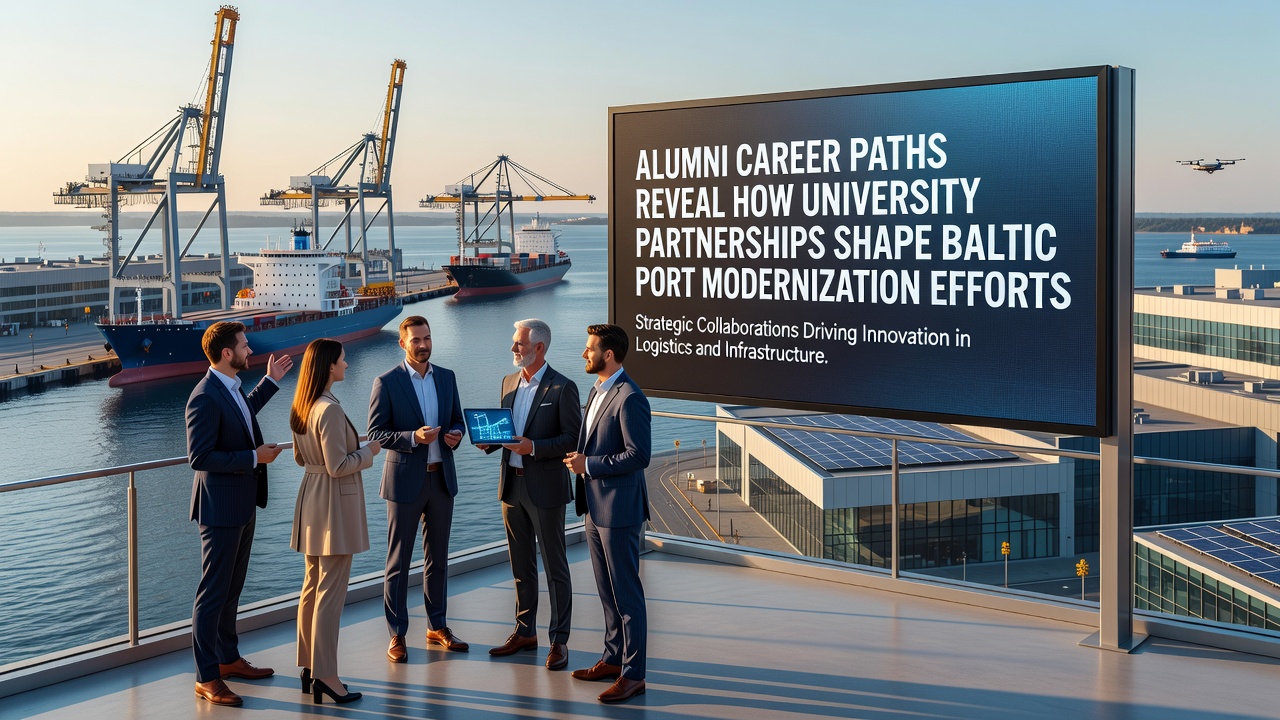
University partnerships across the Baltic region have channeled alumni expertise directly into port modernization projects, and data from several institutions shows measurable impacts on infrastructure upgrades through 2026. Alumni from programs in maritime engineering and logistics have taken roles at facilities in Gdansk, Tallinn, and Riga, where they apply research methods developed during joint university-industry initiatives. These career trajectories trace back to collaborative frameworks established between universities and port authorities, which began expanding in the early 2010s and gained momentum after 2018 when EU funding streams prioritized sustainable port development.
Tracing Direct Career Routes from Campus to Port Operations
Graduates who completed specialized tracks in coastal engineering often enter positions at port authorities within two years of graduation, according to placement records compiled by institutions in Poland and Estonia. One cohort from 2023 moved into roles overseeing terminal expansions at the Port of Gdansk, where they implemented sensor networks for cargo flow monitoring that reduced processing delays by documented percentages reported in annual port statistics. Another group from Latvian universities joined teams focused on dredging operations in Riga, applying hydrodynamic modeling techniques honed through shared laboratory projects with industry partners.
These placements follow structured pathways that universities maintain through internship pipelines and joint thesis supervision, and figures from career services offices indicate that over 60 percent of participants in such programs secure positions tied to Baltic port projects. September 2026 marks the scheduled release of updated employment surveys that will quantify shifts in these patterns over the preceding five years.
Partnership Mechanisms That Feed Talent Pipelines
Joint research centers funded by port operators and universities coordinate curriculum development so that students gain exposure to real-time data from operational terminals, while industry advisors contribute case studies on challenges such as sediment management and intermodal connectivity. Alumni who advance through these channels frequently cite access to proprietary datasets during their studies as a decisive factor in securing subsequent employment. Reports from the European Commission on regional transport initiatives document how such collaborations align academic output with policy targets for emission reductions at ports.
Additional support comes through scholarship programs sponsored by port consortia, which cover tuition for students who commit to post-graduation placements within the network. Placement data shows these agreements correlate with higher retention rates in technical roles at facilities undergoing digital upgrades.
Evidence of Infrastructure Outcomes Linked to Alumni Contributions
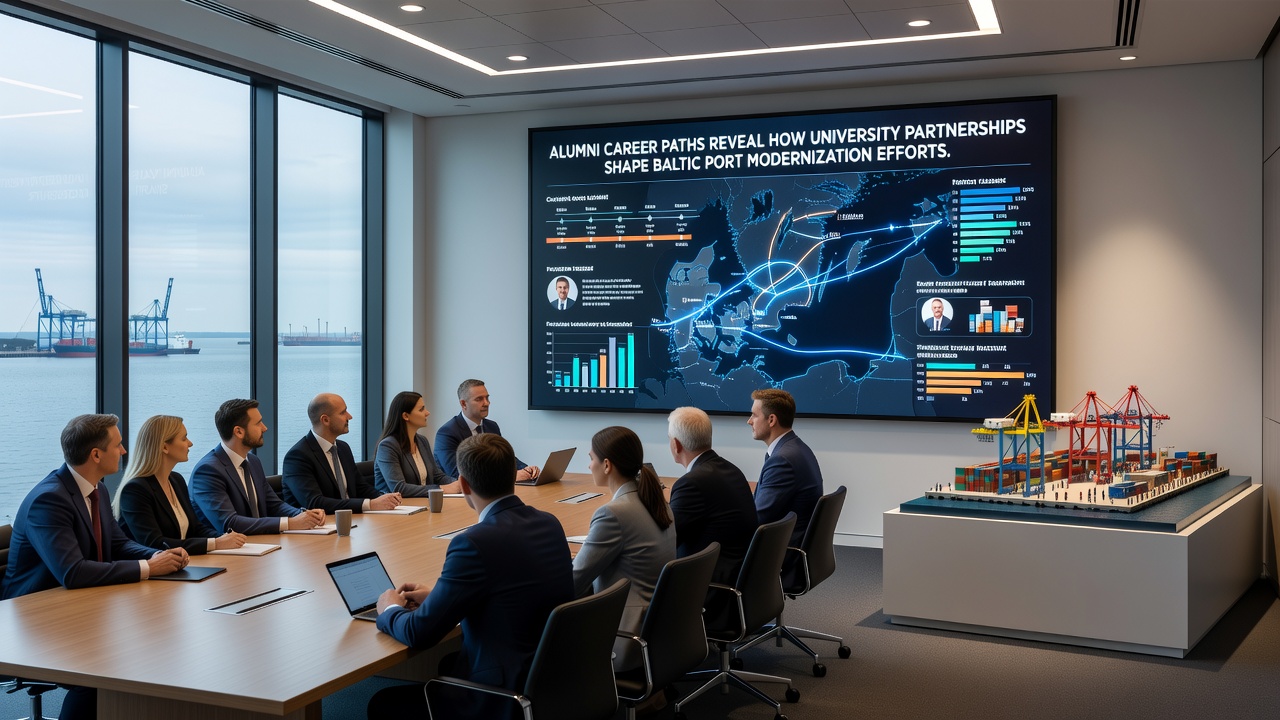
Ports that hired clusters of alumni from partnered programs report faster deployment of automated gate systems and predictive maintenance protocols, and operational logs from Tallinn reveal throughput increases attributed to these implementations. Researchers tracking project timelines note that teams including recent graduates completed phased upgrades ahead of initial schedules in multiple instances between 2022 and 2025. These patterns appear in aggregated industry reports that compare ports with strong university ties against those without equivalent connections.
One study released by the OECD in 2024 examined Baltic facilities and identified correlations between alumni density in engineering departments and adoption rates of energy-efficient equipment. The analysis drew on employment records and capital expenditure filings, showing that ports with denser university linkages allocated higher shares of budgets to innovation components during modernization cycles.
Regional Variations Across Baltic Facilities
Facilities in Finland and Sweden exhibit different alumni integration patterns than those in Lithuania or Poland, with northern ports emphasizing software development roles filled by graduates from informatics programs. In contrast, southern Baltic sites prioritize civil engineering alumni for breakwater and quay reinforcements. Cross-border exchanges facilitated by university networks allow professionals to transfer between sites, and mobility statistics from the Baltic Sea Region program indicate rising numbers of such moves through 2026.
Government agencies in each country publish separate modernization roadmaps, yet alumni often serve as informal bridges that harmonize technical standards across borders. This occurs through participation in working groups that standardize data formats for port community systems.
Conclusion
Alumni movement from university partnerships into Baltic port organizations supplies a steady flow of specialized skills that directly support ongoing modernization timelines. Placement records, operational metrics, and regional policy documents together illustrate how these career paths translate academic collaboration into tangible infrastructure advancements at multiple facilities. Updated surveys scheduled for September 2026 will provide further quantitative detail on the scale of these contributions across the region.