Otto Keller · 18 September 2026
Baltic Academic Ties Fuel Fresh Approaches to Harbor Infrastructure Amid Climate Pressures
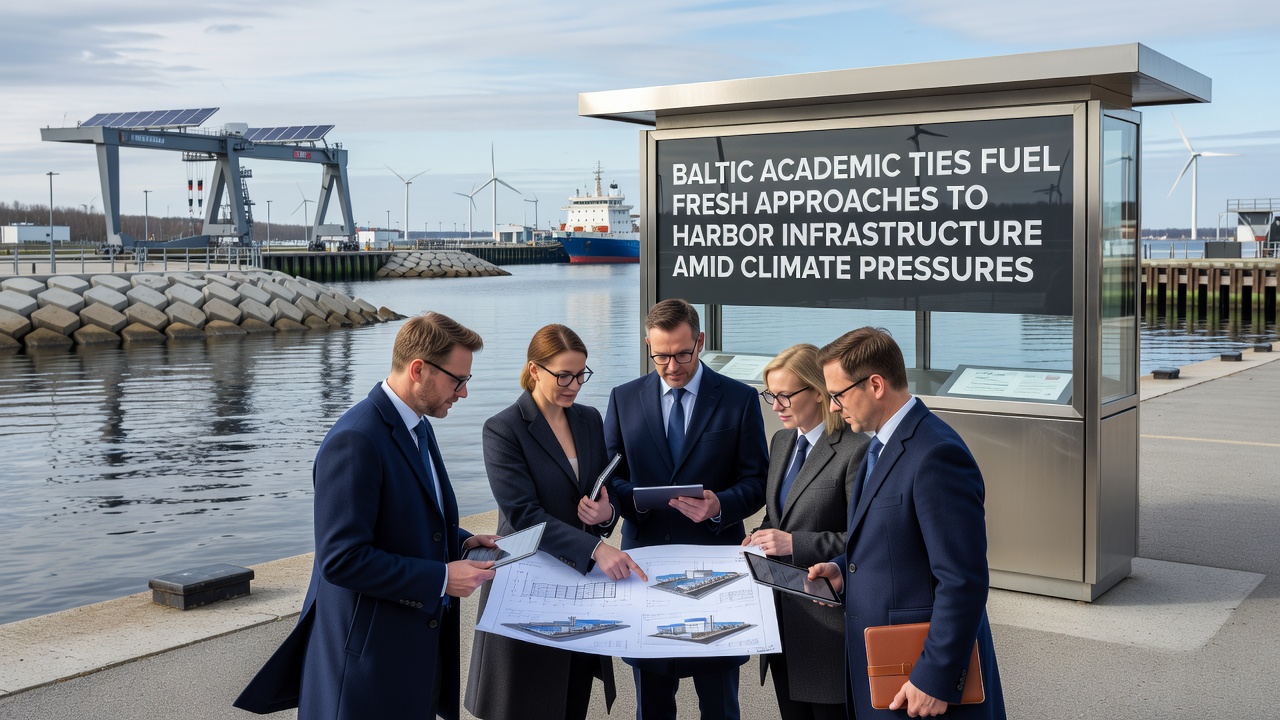
Universities across Poland, Sweden, Finland, and Estonia have expanded joint research programs that focus on harbor infrastructure adaptations, and these efforts address rising sea levels along with intensified storm patterns that affect port operations throughout the Baltic region. Data from the European Environment Agency shows sea levels in the Baltic Sea have risen by approximately 3 millimeters per year over the past three decades, while extreme weather events have increased in frequency since 2010. Academic teams combine expertise in coastal engineering, climate modeling, and materials science to develop updated design standards for docks, breakwaters, and cargo terminals.
Regional University Networks Establish Shared Research Frameworks
Institutions such as Gdańsk University of Technology, Aalto University, and Tallinn University of Technology formed a consortium in 2023 that coordinates fieldwork and simulation studies across multiple port sites. Researchers exchange data on wave dynamics and sediment movement, then apply these findings to prototype structures that accommodate higher water levels projected through 2050. The network schedules its next joint field campaign for September 2026, when teams plan to install monitoring sensors at three major terminals to track structural responses during autumn storms.
Funding from the European Union Interreg Baltic Sea Region program supports these initiatives, and participating universities report that cross-border data sharing has reduced duplication in modeling efforts by roughly 25 percent compared with earlier independent studies. Observers note that the collaborative structure allows smaller institutions to access high-performance computing resources that would otherwise remain out of reach.
Climate Data Integration Shapes Updated Design Guidelines
Climate projections released by the Finnish Meteorological Institute indicate that winter storm intensity could rise by 15 to 20 percent by mid-century, prompting engineers to revise load calculations for pier pilings and fender systems. Academic partners integrate these forecasts with local bathymetry surveys to create site-specific resilience plans for ports in Gdynia, Helsinki, and Riga. The resulting guidelines recommend elevated deck heights and flexible joint materials that absorb additional movement without compromising cargo handling efficiency.
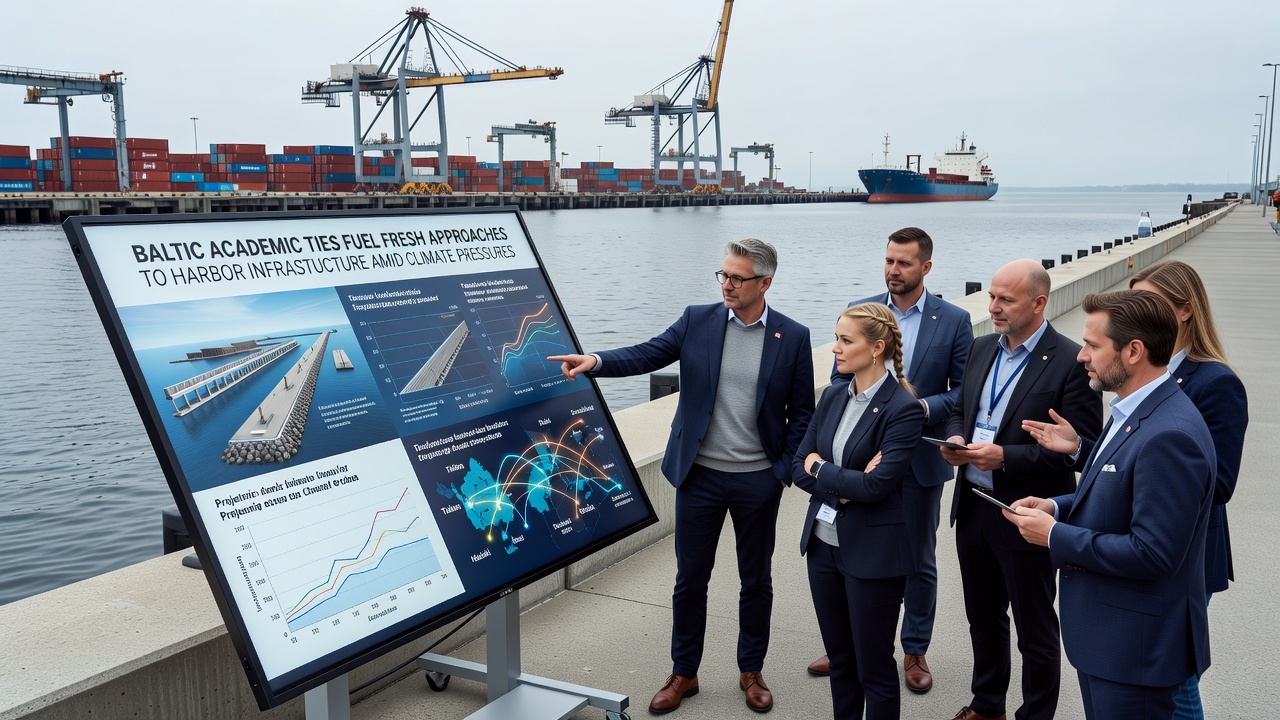
One study coordinated by the consortium examined 12 existing terminals and found that retrofitting selected sections with adjustable mooring systems could extend operational life by 12 to 18 years under moderate sea-level rise scenarios. These findings appear in a peer-reviewed report published through the Baltic Earth research network, which maintains an open-access database for regional infrastructure planners.
Industry Partners Apply Academic Findings to Active Construction Projects
Port authorities in Poland and Sweden have begun incorporating research outputs into tender documents for upcoming expansion phases. Contractors working on the Gdynia Outer Port project, for instance, now include performance specifications derived from university wave-tank tests that simulate combined effects of higher water levels and stronger northerly winds. Project timelines list sensor calibration activities for September 2026, aligning with the academic consortium schedule to allow real-time data comparison between laboratory models and full-scale installations.
Engineers report that early integration of academic models has streamlined permitting processes because regulatory bodies receive consistent technical documentation backed by multi-institution validation. The approach also reduces the need for post-construction modifications that historically accounted for 8 to 12 percent of total project costs in earlier Baltic port upgrades.
Training Programs Prepare Next Generation of Port Engineers
Joint master’s programs launched in 2024 allow students from participating universities to rotate between campuses while completing thesis work on harbor adaptation topics. Course modules cover probabilistic risk assessment, nature-based coastal protection options, and digital twin development for infrastructure monitoring. Graduates have joined port operator teams and consulting firms, carrying forward standardized methodologies that originated in the shared research framework.
Enrollment figures released by the consortium show a 40 percent increase in applications for the 2025 intake compared with the previous year, indicating growing interest among students who want to work on applied climate resilience projects. Faculty members coordinate with industry mentors to ensure curricula reflect current construction practices and regulatory expectations.
Conclusion
Baltic academic partnerships continue to generate technical resources that port authorities and contractors apply directly to infrastructure upgrades. The combination of shared data platforms, updated design guidelines, and coordinated training produces measurable improvements in project planning efficiency. As monitoring campaigns scheduled for September 2026 begin returning field data, researchers expect further refinements to adaptation strategies that address ongoing climate pressures across the region.