Otto Keller · 2 September 2026
The research team at Bolddock University has successfully developed a new corrosion-resistant coating specifically for dock infrastructure. This innovation promises to revolutionize maintenance practices in marine environments by offering superior protection against the elements. The project was led by a multidisciplinary group of chemists, engineers, and marine biologists working together over several years.
Understanding Corrosion in Marine Settings
Corrosion poses a major threat to docks worldwide, as constant contact with seawater leads to rapid deterioration of steel pilings and other structural elements. Factors such as salinity, temperature fluctuations, and biological activity exacerbate the problem. Previous protective measures, including epoxy paints and cathodic protection systems, have shown limitations in longevity and effectiveness under extreme conditions. Many ports report frequent replacements that disrupt operations and increase budgets significantly.
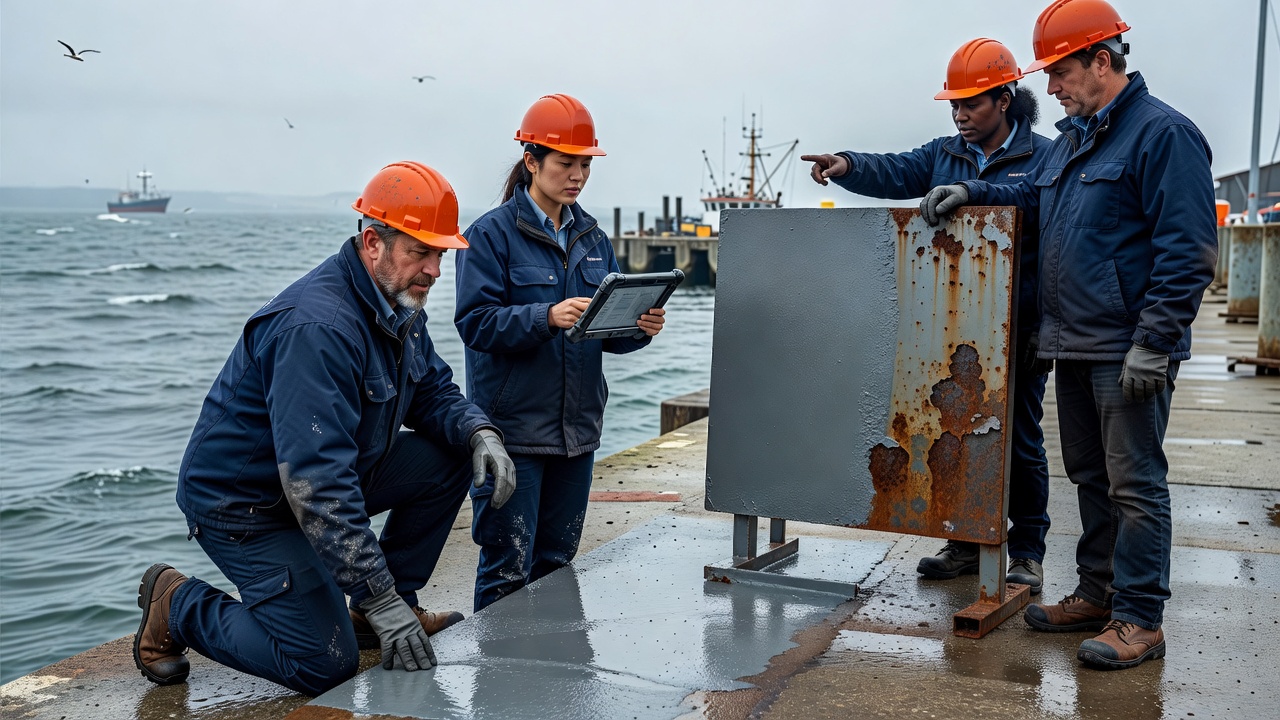
The Bolddock approach involves a multi-layered coating system that integrates ceramic nanoparticles with a specialized resin base. This formulation creates an impermeable shield that prevents ion penetration while maintaining flexibility to accommodate structural movements caused by waves and tides. The nanoparticles also contribute to enhanced mechanical strength and resistance to abrasion from floating debris.
Testing involved exposing coated samples to simulated seawater sprays and immersion cycles for extended periods. Data indicated that the new material outperformed conventional options by maintaining integrity for simulated periods exceeding 25 years. Microscopic analysis revealed no signs of pitting or cracking even after rigorous stress tests.
Implementation and Broader Impacts
University scientists emphasize the coating's ease of application using standard spraying equipment, which reduces labor requirements during installation. Cost analyses suggest potential savings in operational expenses for harbor facilities over the long term. Pilot programs are being designed to gather performance metrics in actual use scenarios.
Environmental impact assessments confirmed the coating's inert nature, with no detectable release of toxins during degradation tests. This feature supports efforts to preserve marine ecosystems around port areas. Regulatory approvals are being sought to enable widespread adoption.
Plans are underway to conduct real-world evaluations at several regional docking sites. Partnerships with engineering firms will aid in optimizing the product for various substrates including concrete and composite materials. Training modules for applicators are also in development to ensure proper usage techniques.
Additional research directions include enhancing the coating with antimicrobial agents to combat biofouling, a common issue that compounds corrosion effects. The team's work contributes to advancements in materials science applicable to other industries facing similar challenges in harsh environments.