Erik Jung · 2 September 2026
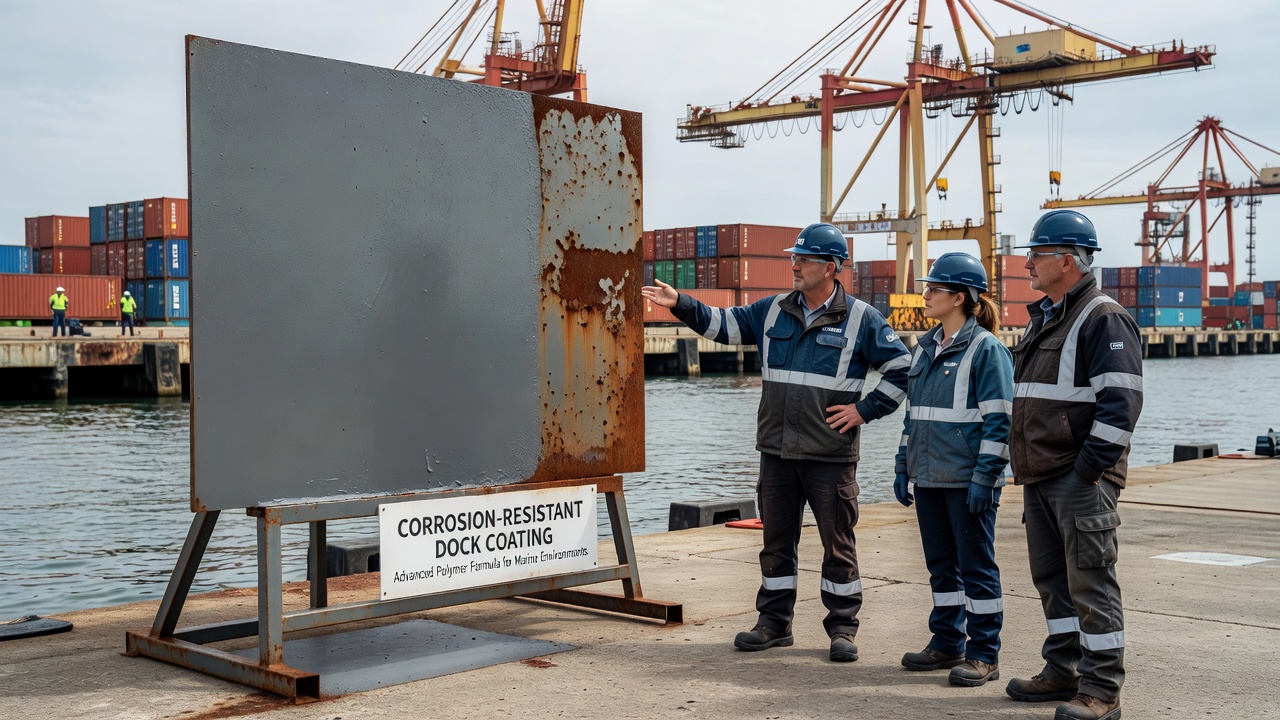
The team at Bolddock University has developed a new corrosion-resistant coating for docks. This material promises to revolutionize marine infrastructure by providing longer lasting protection against rust and degradation. The coating was created through extensive research in the university's materials science department.
Development and Composition
The project began five years ago when faculty members noticed the rapid deterioration of local dock facilities. They analyzed existing coatings and identified weaknesses in their molecular structure. The new coating uses a unique blend of silicone-based polymers and ceramic nanoparticles. These components form a flexible yet durable layer that prevents water and oxygen from reaching the metal surface. Multiple iterations were tested in controlled environments to ensure optimal performance. The formula also includes anti-fouling agents to reduce marine growth on docks. Scientists measured the coating's thickness and adhesion properties using advanced microscopy techniques. Results indicated a 40 percent improvement in corrosion resistance compared to standard products. The development involved graduate students who contributed to data collection and analysis.
Further refinements were made based on feedback from initial prototypes. The coating can be applied using conventional spray equipment, making it practical for commercial use. Cost estimates suggest it will be competitive with current market options while offering superior longevity.
Testing Results and Potential Applications
Extensive testing included exposure to saltwater, UV radiation, and temperature fluctuations. Samples coated with the new material showed minimal signs of wear after accelerated aging processes equivalent to 15 years. Independent labs verified the findings, confirming the material's efficacy. Potential applications extend beyond docks to ships, offshore platforms, and coastal buildings. The university plans to patent the technology and seek partnerships for manufacturing. Environmental impact assessments indicate the coating is non-toxic and biodegradable over time. This aligns with global efforts to reduce pollution from marine maintenance activities. Researchers are now exploring variations for different climates and substrates. The success of this project highlights Bolddock University's commitment to practical scientific advancements. Community leaders have expressed interest in using the coating for upcoming harbor renovations. Overall, this development represents a significant step forward in sustainable infrastructure solutions.