Erik Jung · 2 October 2026
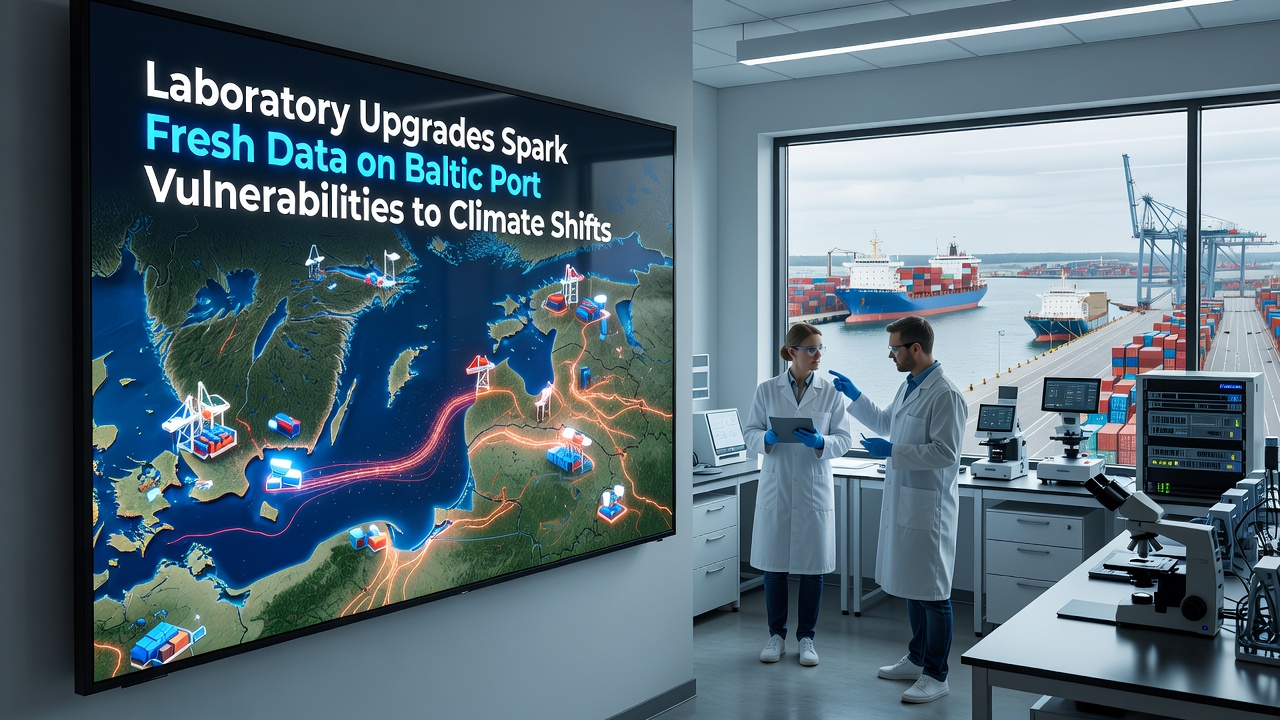
Laboratory Enhancements Deliver Updated Insights into Baltic Port Susceptibilities from Climate Variations
Recent upgrades to research facilities along the Baltic coast have produced new datasets that clarify how ports in the region face mounting pressures from rising sea levels and shifting weather patterns, and these findings build on earlier monitoring efforts that tracked erosion rates and storm surges over the past decade. Data collected through advanced simulation tools now shows specific vulnerabilities at key sites including Gdansk and Riga where infrastructure could experience increased flooding during extreme events by the 2030s.
Facility Improvements and Their Role in Data Collection
Teams at coastal laboratories installed enhanced sensors and high-resolution modeling software during late 2025 which allowed for more precise tracking of wave dynamics and sediment movement, and this equipment integrates real-time inputs from satellite observations with local tide gauges to generate detailed projections. Observers note that such upgrades enable researchers to simulate combined effects of temperature increases and precipitation changes on harbor structures while previous systems often handled these factors separately.
One study released in October 2026 used the new setups to analyze historical storm records alongside future scenarios and it revealed that certain breakwaters in the eastern Baltic could see accelerated wear from more frequent high-intensity events. Researchers discovered patterns where warmer winters reduce ice cover and leave shorelines exposed to stronger wave action throughout extended periods and this connects directly to observed increases in maintenance needs at multiple facilities.
Key Findings on Port Vulnerabilities
Evidence from the upgraded labs indicates that sea level rise in the Baltic has averaged 3 to 4 millimeters annually in recent measurements with acceleration expected under higher emission pathways and ports with older foundations face particular risks from saltwater intrusion into surrounding soils. Figures reveal that low-lying terminals at several locations could encounter operational disruptions during surge events that exceed current design thresholds by mid-century.
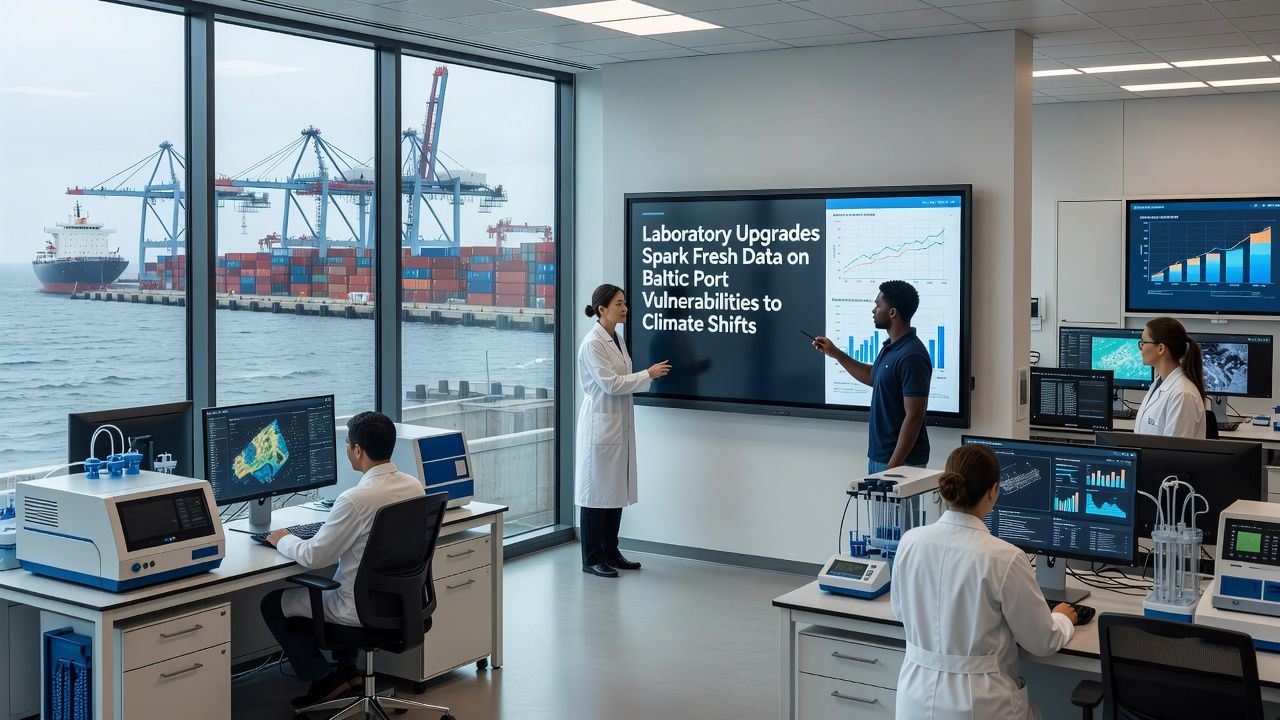
Those who analyzed the outputs found variations across the region where southern ports encounter greater threats from combined river flooding and marine surges whereas northern sites deal more with wind-driven erosion and these differences highlight the need for tailored adaptation strategies at each location. Data shows that sediment loss around approach channels has intensified in spots where reduced ice seasons allow greater wave energy to reach the seabed and this affects dredging requirements over time.
Connections to Broader Climate Research
Integration of the fresh laboratory results with regional models from the European Environment Agency provides context for how Baltic trends align with wider European patterns of coastal change and researchers cross-referenced their simulations against long-term records to validate the accuracy of new projections. What's interesting is that the upgraded systems captured interactions between ocean acidification and material degradation in port infrastructure which adds another layer to vulnerability assessments.
Additional comparisons with datasets from North American sources such as NOAA climate reports demonstrate similar acceleration in storm intensity trends although the enclosed nature of the Baltic creates unique local dynamics that demand specific attention. Experts have observed that ports investing in flexible designs may mitigate some impacts but the data emphasizes monitoring as essential for timely interventions across the network.
Implications for Infrastructure Planning
Updated information from the laboratories points to potential shifts in sediment deposition that could alter navigation depths at several harbors and this connects to economic considerations for shipping routes that rely on consistent access. Those who've reviewed the outputs note opportunities to incorporate the findings into existing maintenance schedules while avoiding disruptions during peak seasons.
Projections generated in October 2026 extend through 2050 and they outline scenarios where adaptive measures like elevated platforms or reinforced barriers could address identified weak points yet the research underscores that coordinated efforts across countries remain important given the shared nature of Baltic waters. Research indicates that continued lab enhancements will support ongoing refinements to these models as new observations become available.
Conclusion
The laboratory upgrades have supplied clearer pictures of how climate variations affect Baltic ports through improved data on erosion, flooding, and structural stresses and these insights support informed decisions on future resilience measures. Continued collection and analysis will track evolving conditions while linking local findings to wider environmental patterns.